
- Your cart is empty
- Continue Shopping

Seed Cycling for Women: How Seeds Are Used in Hormone Support
-
 Cheap Meds
 - Posted on
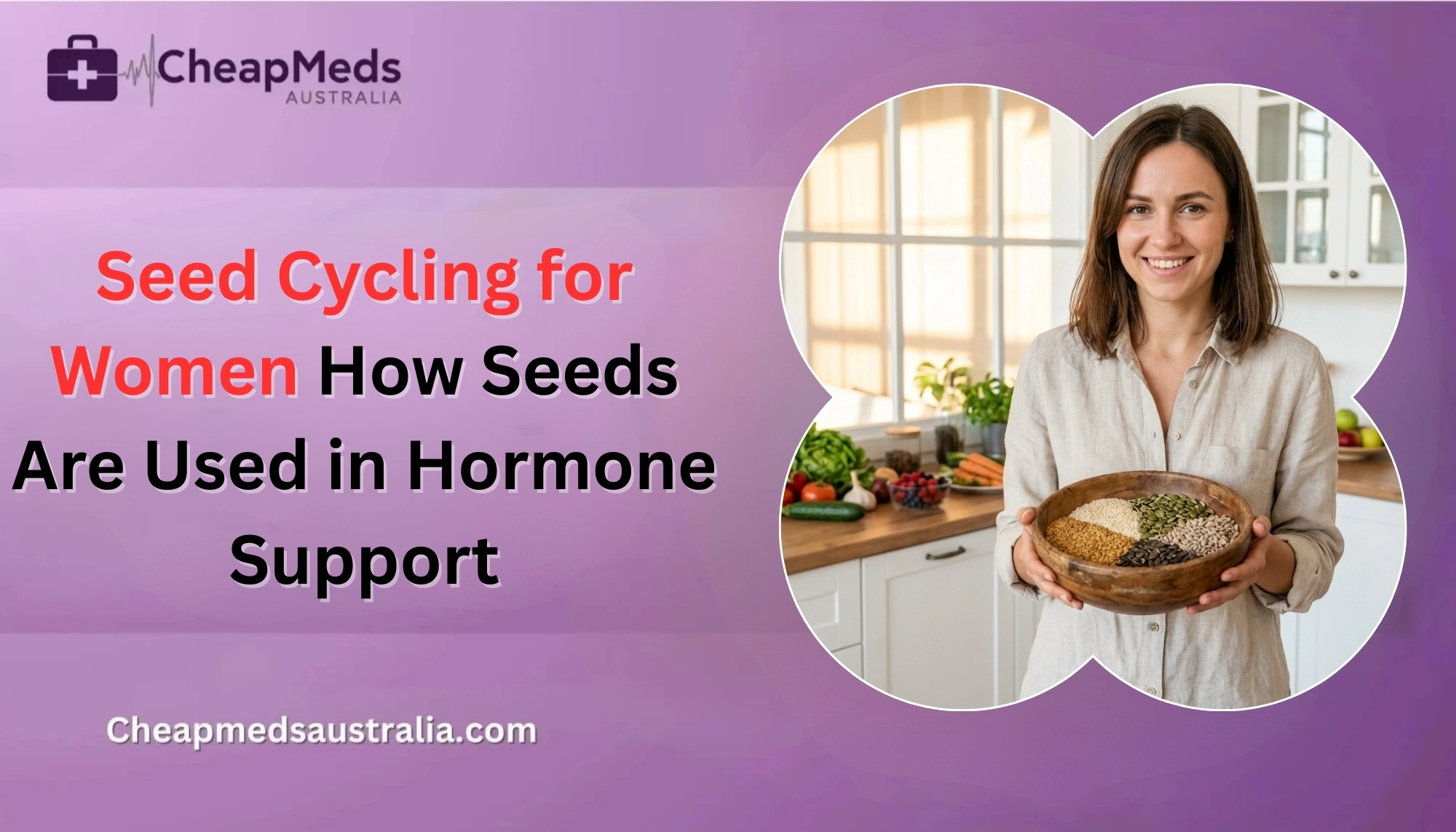
Hormonal balance has an effect on practically every part of a woman’s health, including her sleep, mood, digestion, and menstrual cycle. Many women start exploring mild, nutrition-based approaches to help their bodies when their hormones change or feel out of balance. Seed cycling is one of these methods that has gotten a lot of interest around the world.
Seed cycling is a simple routine that focuses on food and matches the amount of seeds you eat with different stages of your menstrual cycle. It doesn’t require supplements or complicated regimens; instead, it employs common seeds in a systematic and regular method. This guide tells you what seed cycling is, how it works, how to eat seeds the right way, and what benefits women usually say they get from doing this.
What Is Seed Cycling?
Seed cycling is a nutritional approach where specific seeds are eaten during different phases of the menstrual cycle. The idea is to help the body’s natural hormonal rhythm by eating the right foods.
A lot of women look online for “what is seed cycle” or “what is seed cycling for hormones.” Seed cycling breaks the menstrual cycle down into two main parts and gives each part a set of seeds. These seeds were chosen because they are high in nutrients like fibre, healthy fats, and minerals.
You could also encounter variations like “seed cycling,” “seed cycling,” or “seeds cycle.” All of these words mean the same thing.
For women looking for additional wellness support, explore our Women Care range, designed to support overall feminine health and hormonal balance.
Understanding the Menstrual Cycle and Seed Cycling

For seed cycling, the menstrual cycle is usually split into two primary parts:
Phase 1: Follicular Phase (Day 1–14)
This phase starts on the first day of your period and ends with ovulation. Estrogen activity slowly rises throughout this time.
Seeds used in this phase:
- Flax seeds
- Pumpkin seeds
A lot of women eat these seeds every day during this time because they are high in fibre and minerals.
Phase 2: Luteal Phase (Day 15–28)
This stage begins after ovulation and concludes when the next period begins. This is when progesterone starts to work harder.
Seeds used in this phase:
- Sesame seeds
- Sunflower seeds
These seeds are commonly linked to minerals and healthy fats, which is why they are so popular in the second half of the cycle.
A basic seed cycling chart will help you keep on track, which is more important than being exact about when you do things.
Hormonal Patterns and Seed Support
Hormone levels usually change during the menstrual cycle. Instead of trying to control these natural changes, seed cycling makes sure that people eat seeds at the same time as these changes happen.
- People eat flax and pumpkin seeds during the time when estrogen is high.
- People eat sunflower and sesame seeds during the time when progesterone is high.
Because of this, a lot of women choose seed cycling as a slow, lifestyle-based way to cure their problems instead of a quick fix.
If estrogen levels feel out of balance, this guide on flushing out excess estrogen can help you understand the process better.
How to Consume Seeds Correctly

Knowing which seeds to consume is just as crucial as knowing how to eat them. Preparation is particularly important, since whole seeds may pass through the digestive system without being broken down.
Best ways to consume seeds:
- Grind seeds fresh before use for better absorption
- Add ground seeds to yoghurt, smoothies, or oatmeal.
- You can add it to soups, salads, or warm meals.
- Use seed powders consistently rather than occasionally
If you grind seeds shortly before you eat them, it helps them release their nutrients and makes them easier to digest.
Additional Tips for Seed Cycling Success
Over time, little things can make seed cycling easier and more successful. A lot of ladies find these methods helpful:
- Put seeds in a container that doesn’t let air in, or the fridge, to keep them fresh.
- Choose raw, organic seeds whenever possible.
- You must follow the routine every day for at least three months.
- Track your menstrual cycle to stay aligned with phases
When you seed cycle, it’s not about being perfect. It’s much more vital to be consistent and patient than to follow the rules properly.
Flax Seeds for Hormonal Balance
Flax seeds are one of the most discussed seeds in seed cycling for women. They are naturally high in fibre and plant-based compounds that are healthy for your health.
People usually suggest flax seeds during the follicular phase because they are easy to add to meals and taste rather neutral. Many women add ground flax seeds to their smoothies or breakfast foods without modifying what they usually eat.
People who care about health often use flax seeds to help balance hormones since they aid with digestion and getting the nutrients you need every day.
If hormonal imbalances continue to affect daily life, our Hormonal Disease collection offers supportive options tailored for hormone-related concerns.
Pumpkin Seeds in the Follicular Phase
In the first half of the cycle, people commonly eat pumpkin seeds and flax seeds together. They are naturally rich in minerals like magnesium and zinc, which are healthy for your health in general.
You can consume pumpkin seeds whole or mashed up and put them in your food. You may easily add them to both sweet and savoury foods because they taste a little like nuts.
Sesame Seeds and Menstruation
Sesame seeds are traditionally used in many cultures for women’s nutrition. Within seed cycling, sesame seeds are included during the luteal phase.
People often talk about periods and sesame seeds together because these seeds are full of nutrients and are often used in warm meals. They taste well with sauces, dressings, and ready-made meals.
Their inclusion during the second half of the cycle focuses on nutritional support rather than direct hormonal changes.
Sunflower Seeds in the Luteal Phase
Sunflower seeds and sesame seeds are the last seeds in the seed cycle. They are known for possessing healthy fats and vitamins.
You can eat sunflower seeds whole or ground them up. A lot of women like to include them in salads or bowls of grain. They have a mild flavour and can be utilised in a lot of different ways, so it’s easy to eat them every day.
For those dealing with irregular or heavy menstrual bleeding, you can explore dedicated menstrual bleeding support options alongside seed cycling.
Overall Benefits of Seed Cycling

Women who do seed cycling on a regular basis often say that it has several health benefits. Here are some of the most common ones:
- Balanced hormonal patterns
- More regular menstrual cycles
- Reduced PMS-related discomfort
- Less bloating and digestive discomfort
- Better sleep quality
- Clearer skin and fewer breakouts
- Improved mood and steady energy levels
- Support during menopause-related changes
- Improved hormone detoxification through nutrition
Remember that seed cycling is not a medical treatment; it is meant to assist your health in general.
How Long Does Seed Cycling Take to Show Results?
Seed cycling won’t give you results immediately. A lot of women are told to keep doing the technique for at least two to three full cycles before they see any results.
Some people may feel improvements in their energy or digestion sooner than others. The most important thing is to keep your expectations low and focus on being consistent over time.
Common Mistakes to Avoid
Some common issues that make seed cycling less effective are:
- Using whole seeds instead of ground seeds
- Switching phases too frequently
- Expecting hormonal changes to happen right away
- Not always sticking to the routine
Don’t think of seed cycling as a separate treatment; think of it as part of a bigger plan for your health.
Frequently Asked Questions
1. What is seed cycling for women?
Seed cycling is a nutrition-based method for women that helps keep hormones in balance by changing the amount of seeds they eat throughout different parts of their menstrual cycle.
2. Is seed cycling safe to follow?
People often believe that seed cycling is harmless as long as it is part of a healthy diet.
3. Can seed cycling help with menstrual regularity?
Many women look into seed cycling as part of a whole-body approach to health that involves nutrition and being conscious of their periods.
4. How strictly should the seed cycling chart be followed?
The chart acts as a guide. For women whose cycles are unpredictable, having regular periods is more crucial than knowing when they will happen.
Seed cycling may complement broader fertility awareness practices—additional reproductive support can be found in our Female Infertility range.
Final Thoughts
Seed cycling for women is a simple, food-based habit that fits naturally into everyday life. By following a clear seed cycling chart, consuming seeds correctly, and staying consistent, many women find it to be a gentle way to support overall wellness.
Rather than focusing on quick results, seed cycling encourages mindful nutrition and awareness of the body’s natural rhythm. When combined with balanced meals and healthy lifestyle choices, it can become a sustainable part of long-term hormone support.


