
- Your cart is empty
- Continue Shopping

Understanding Post-Menstrual Syndrome and Its Common Symptoms
-
 Cheap Meds
 - Posted on
Introduction
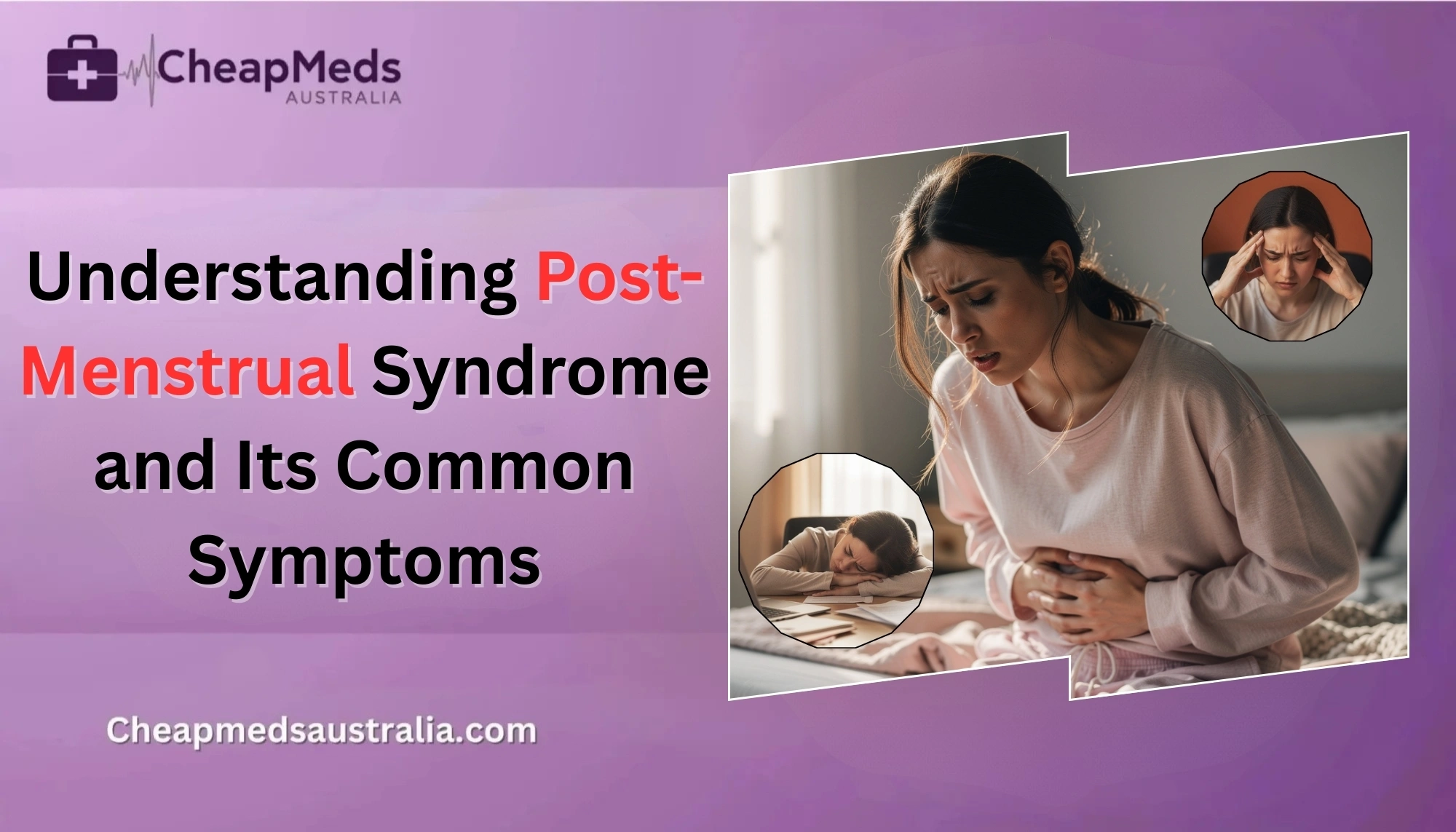
A lot of women think they will feel better after their period is finished. The cramps stop, the bleeding stops, and your energy should return to normal. But some women never really feel better. Instead, you might feel tired, moody, bloated, or mentally foggy after your period ends.
These symptoms that happen after your period can be hard to understand and annoying. Most talks about menstrual health focus on pain before or during periods, so women often don’t know what to do when symptoms don’t go away. This experience is often associated with a relatively obscure condition known as post-menstrual syndrome.
People don’t talk about post-menstrual syndrome (PMS) as much as they do about premenstrual syndrome (PMS), but it can still hurt your health, mood, and productivity. If women understand what this part of their menstrual cycle is like, they will be better able to comprehend these symptoms. They can also see how helpful it is to get support.
What Is Post-Menstrual Syndrome?
Post-menstrual syndrome is a group of symptoms that happen after menstrual bleeding has ended, usually within a few days. Changes in hormones and the person’s health could make these symptoms go away quickly or last for almost a week, depending on hormonal changes and individual health factors.
Unlike PMS, which happens before your period, post-menstrual syndrome happens when your period changes from the menstrual phase to the follicular phase. At this point, estrogen levels start to rise, but progesterone levels stay low. This change in hormones can affect your energy, mood, digestion, and ability to think clearly.
Post-menstrual syndrome is not an official medical diagnosis, but many doctors know about it, and many women of all ages have it.
Common Symptoms of Post-Menstrual Syndrome
Every woman has different signs of post-menstrual syndrome. Some people may notice small changes, while others may feel pain that makes it hard to do things they do every day.
Common symptoms include:
- Persistent fatigue or low energy
- Mood swings, irritability, or emotional sensitivity
- Brain fog or difficulty concentrating
- Headaches or head pressure
- Bloating and digestive discomfort
- Muscle aches or a heavy body feeling
- Mild nausea or appetite changes
- Sleep disturbances or restlessness
A lot of women feel bad because these symptoms show up after their periods, which is when they expect to feel better.
For women seeking post-menopausal care options, Estarasel 4 mg is available to buy online with a trusted service.
Why Does Post-Menstrual Syndrome Occur?
There are a number of things that could cause post-menstrual symptoms to happen.
Hormonal Fluctuations After Periods
After menstruation, the body gets ready to ovulate. When there is a higher oestrogen level in the body, it can change how neurotransmitters work in the brain. This can affect mood, focus, and emotional stability. This hormonal imbalance could make you tired, anxious, or have trouble thinking clearly.
Low Iron Levels
Menstrual blood loss can lower iron levels for a short time, especially in women who have heavy periods. If you don’t get enough iron, you might feel weak, dizzy, and tired for a long time after your period.
Stress and Lifestyle Factors
Stress, whether it’s physical or mental, can mess up the balance of hormones. When you’re stressed out and recovering from your period at the same time, the symptoms of post-menstrual syndrome may get worse or last longer.
Dehydration and Nutrient Gaps
Not drinking enough water or getting enough important nutrients during or after your period can make it take longer to recover, which can cause headaches, bloating, and low energy.
Underlying Health Conditions
If you have thyroid problems, irregular periods, or long-term stress, you may be more sensitive to changes in post-menstrual hormones.
Want to find the right women’s care product? Visit the Women Care section to buy now.
Post-Menstrual Syndrome vs Premenstrual Syndrome
Both conditions are linked to hormonal fluctuations, yet they occur at distinct phases of the menstrual cycle.
| Feature | Premenstrual Syndrome (PMS) | Post-Menstrual Syndrome |
| Timing | Before periods | After periods |
| Hormonal trigger | Progesterone drop | Estrogen rise |
| Common symptoms | Cramping, bloating, mood changes | Fatigue, brain fog, low mood |
| Symptom relief | Improves with bleeding | Begins after bleeding |
Women can better understand their symptoms and how to treat them if they know this difference.
How Post-Menstrual Syndrome Affects Daily Life
Post-menstrual syndrome can change how much work you get done each day, how stable your emotions are, and how confident you feel in general. When you’re tired, it can be hard to focus at work, and mood swings can hurt your personal and social relationships.
Many women feel ignored or misunderstood because their symptoms come back after their periods, when they should be feeling better. Women can better listen to their bodies and not push through pain when they know about post-menstrual syndrome.
Natural Ways to Support Post-Menstrual Wellness
To deal with post-menstrual symptoms, you often just need to make small changes to your daily life that help your hormones balance out and recover.
Maintain Balanced Nutrition
Eating foods high in iron, fresh vegetables, whole grains, healthy fats, and enough protein can help you feel better and get your period back on track.
Stay Properly Hydrated
Drinking enough water can help with bloating, headaches, and digestive discomfort, which can help you get better faster recovery after your period.
Engage in Gentle Movement
Light exercise like walking, yoga, or stretching can help with circulation and make you feel less stiff and tired.
Prioritize Quality Sleep
Regular sleep patterns help keep your hormones in check, your mind clear, and your mood stable.
Manage Stress Levels
Taking short breaks during the day, deep breathing, and being mindful are all ways to relax that can help fix hormonal imbalances that stress causes.
Track Menstrual Patterns
Keeping a cycle journal helps identify recurring post-menstrual symptoms and allows women to plan self-care more effectively.
When Should You Seek Medical Advice?
While mild post-menstrual discomfort is common, professional advice should be considered if:
- Your symptoms are getting worse or are very bad
- Fatigue persists for several weeks
- Mood swings can affect your emotional health.
- It is hard to do routine tasks when you are in pain.
If you have symptoms that don’t go away, they could be a sign of a deeper problem that needs to be looked into.
If you’re looking into post-menopausal hormone care, Premarin 0.30 mg can be purchased online here.
Is Post-Menstrual Syndrome Normal?
Yes, many women have post-menstrual syndrome, which is often caused by natural changes in their hormones. Changes in the menstrual cycle affect each body differently, and symptoms may change over time.
With the right care and support, most women can deal with the symptoms that come after their period.
Frequently Asked Questions (FAQs)
1. How long does post-menstrual syndrome last?
Post-menstrual syndrome often continues past several days post-period. Some women will even experience the symptoms for up to a week based on their hormonal balance and lifestyle.
2. Is post-menstrual syndrome a health concern?
In general, post-menstrual syndrome is normal and related to natural hormone changes. Seek medical advice if you have very severe or persistent symptoms.
3. Can post-menstrual symptoms be reduced?
Yes, symptoms are often minimised with a healthy diet, adequate hydration, stress management and moderate sleep practices.
Final Thoughts
Post-menstrual syndrome highlights the importance of caring for menstrual health beyond the bleeding phase. Feeling tired, emotionally sensitive, or physically uncomfortable after periods is not uncommon and often reflects hormonal adjustments.
Women can feel better during their cycle if they know how their bodies work and help themselves by eating well, getting enough sleep, drinking enough water, and managing stress.
At CheapMedsAustralia, we believe informed choices are an important part of women’s health and overall well-being.


