- Your cart is empty
- Continue Shopping

Hyperpigmentation: Causes, Care, and Ways to Improve Skin Tone


It might be frustrating to see dark spots, acne scars that won’t go away, or skin that isn’t the same colour all over. People of all ages and skin tones can experience hyperpigmentation, a common skin condition. These spots can last for weeks or even months, no matter what caused them, including sun exposure, acne, inflammation, or hormonal shifts.
At CheapMedsAustralia, we want to help readers develop a skincare routine that will make their skin seem healthier and more balanced over time. This article will explain what hyperpigmentation is, why it happens, and how to properly make it less obvious.
What Is Hyperpigmentation?
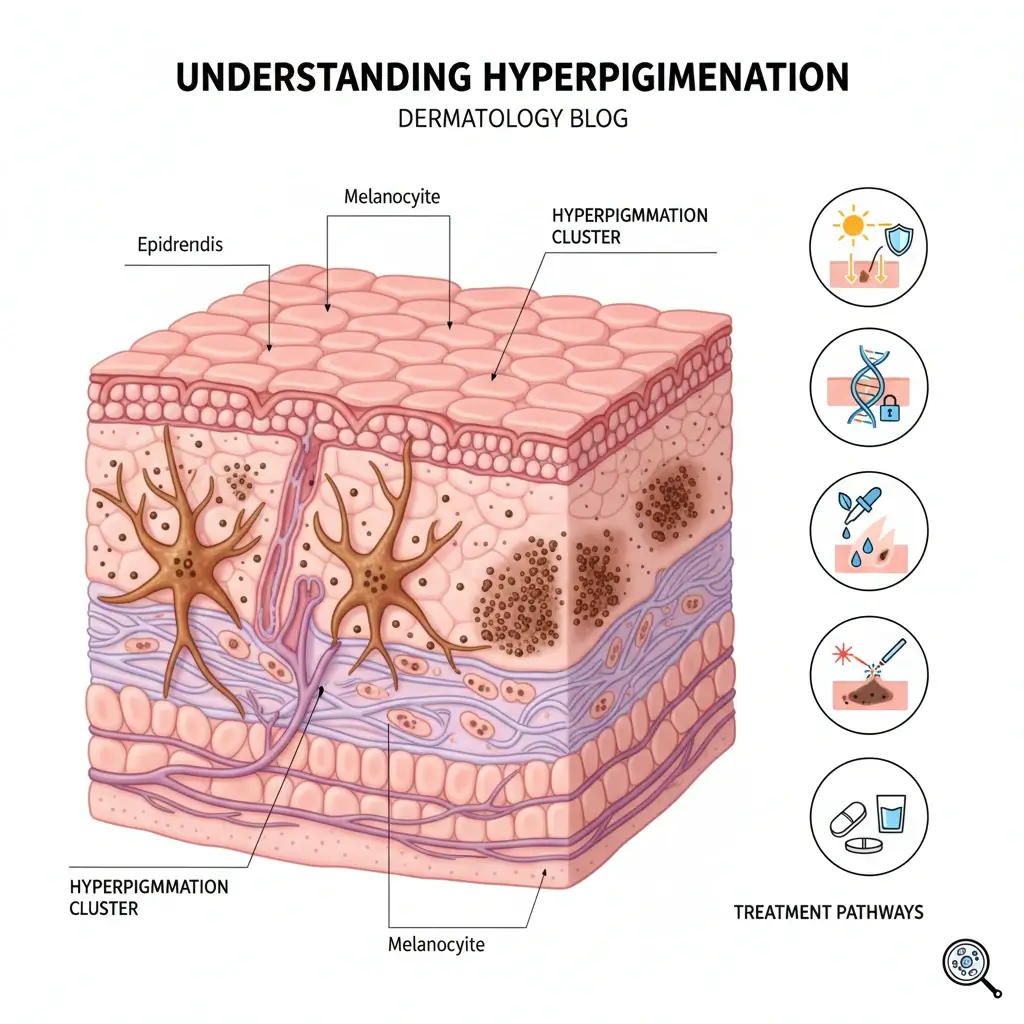
Hyperpigmentation occurs when certain areas of the skin produce too much melanin, the pigment that gives skin its colour. This extra production causes black spots, patches, or uneven areas to appear on any part of the body.
Many people are anxious about hyperpigmentation on the face because it appears in areas that are easy to see, such as the cheeks, forehead, jawline, and upper lip. It can also appear on the hands, neck, back, and chest. Some pigmentation fades on its own, but if you continually expose it to factors like UV rays or friction, it might grow more noticeable over time.
Common Causes of Hyperpigmentation
To get rid of hyperpigmentation and keep it from coming back, you need to know what caused the skin discolouration in the first place.
Sun Exposure
The sun’s ultraviolet (UV) rays are the most common cause. Being in the sun every day could make dark spots darker and harder to get rid of, even if they started after acne or inflammation.
Post-Inflammatory Hyperpigmentation
Inflammation or injury to the skin can leave behind dark marks. After acne, eczema, burns, bug bites, or even over-exfoliating, your skin may become discoloured. The marks might be brown, grey, or purple, depending on your skin colour and how terrible they are.
Hormonal Changes
Changes in hormones, like those that happen during pregnancy, when taking birth control, or because of changes in the endocrine system, can cause melasma. This kind of pigmentation usually shows up as symmetrical patches on the forehead, cheeks, or upper lip.
Skin Irritation
Picking at pimples, exfoliating too much, using harsh treatments, and being in too much heat can all make pigmentation worse. When you try to get rid of black spots too aggressively, your skin normally becomes more sensitive, and the spots persist longer.
Types of Hyperpigmentation You Should Know
Knowing what form of pigmentation you have is important since different types respond to treatment in different ways.
Melasma
Hormones are generally to blame for melasma, which often appears as large, even patches. The problem may get worse in the sun.
Sunspots
After years of sun exposure, these microscopic black spots, also called age spots or solar lentigines, appear. People typically see them on their wrists, shoulders, and faces.
Post-Acne Marks
People who pick at or squeeze their pimples are more likely to leave scars on already-healed pimples. These spots usually clear up on their own, but if you don’t take care of them, they can last for months.
Why Hyperpigmentation Takes Time to Fade
Many people want to know how to get rid of black spots quickly, but the truth is, they take time to go away. Skin cells die, and new ones grow back slowly. Darker pigmentation might take months to erase.
Fast fixes, powerful chemicals, or over-the-counter medicines that promise speedy results can be more harmful than helpful. In the long term, it works better to be consistent, take care of yourself gently, and use the right active ingredients.
Daily Habits to Prevent Dark Spots from Worsening
Preventing new pigmentation is as important as treating existing marks.
Wear Sunscreen Every Day
A broad-spectrum sunscreen with an SPF of 30 or higher blocks UV rays, preventing new dark spots from forming and protecting existing pigmentation from getting darker.
Avoid Picking and Scratching
Touching injured skin increases the prevalence of post-inflammatory hyperpigmentation. Let tiny cuts and blemishes heal on their own.
Keep Your Routine Gentle
Using too many scrubs, acids, or drying treatments at once can leave the skin red and make pigmentation more noticeable.
Support the Skin Barrier
Moisturisers, mild cleansers, and relaxing ingredients help the skin repair itself and deal with hyperpigmentation more easily.
To support your routine, you can explore our skin care category at CheapMedsAustralia, where you’ll find products suited for improving overall skin clarity.
Ingredients Often Used in Hyperpigmentation Treatment
There isn’t one chemical that works for everyone, but here are a few that are typically used in a safe and effective hyperpigmentation treatment plan:
- Vitamin C: Protects the skin from free radicals and makes it look brighter.
- Niacinamide: Makes the skin barrier stronger and lessens discolouration.
- Azelaic Acid: Suitable for acne-prone or sensitive skin; targets blemishes and post-inflammatory marks.
- Retinoids: Make cells turn over faster and slowly remove dark spots.
- Alpha Arbutin & Kojic Acid: Brighten dark patches for a more even complexion.
- Exfoliating Acids: Glycolic, lactic, and mandelic acids remove dead skin cells and make discoloured surface skin look better. Be careful when using it so you don’t get irritated.
Building a Simple Routine for Uneven Skin Tone
Most of the time, a basic routine is better than a convoluted one.
Morning Routine
- A gentle cleaner
- Antioxidant or brightening serum
- Moisturizer
- Broad-spectrum sunscreen
Evening Routine
- Gentle cleanser
- Targeted treatment serum or cream
- Moisturizer
If you want to discover how to get rid of skin hyperpigmentation, start with the basics. A daily sunscreen, a moisturiser that won’t irritate your skin, and one well-chosen active ingredient can all help your skin appear better over time.
How to Get Rid of Stubborn Hyperpigmentation Like a Pro
A specialist can help if you have deep, widespread, or hormone-related pigmentation.
- Chemical Peels: Superficial peels make minor discolouration and texture better.
- Prescription Creams: Dermatologists can give you stronger topical therapies that are suited for your skin type.
- Laser & Light Treatments: Targeted lasers break down pigment, but not all treatments suit every skin tone.
- Microneedling: Can make skin look better after acne and make the skin feel better when done by a competent professional.
Common Mistakes That Can Worsen Hyperpigmentation
- Using too many active ingredients at once
- Not putting on sunscreen
- Expecting overnight results
- Taking care of the spots but not the reason, which could be acne, friction, or damage from the sun
Dryness can make hyperpigmentation more noticeable. Discover moisturizing solutions that help restore your skin barrier and improve overall skin texture.
When to See a Dermatologist
Consult a professional if:
- Pigmentation changes rapidly or becomes very dark
- Discoloration appears out of nowhere.
- Over-the-counter methods haven’t worked
- You experience ongoing irritation
A dermatologist can tell you if you have melasma, sunspots, post-inflammatory marks, or another skin problem. They can also tell you the best method to deal with it.
A Realistic Approach to Getting Brighter Skin
The best way to deal with hyperpigmentation is to be patient and stick to a plan. Gentle care, protection from the sun, and chemicals that have been shown to work are often better than quick fixes. If your dark spots are caused by acne, being in the sun, or changes in your hormones, you can progressively get better with a meticulous plan.
CheapMedsAustralia can help you attain safe, long-lasting outcomes by giving you advice and products. Your skin will stay bright and balanced over time if you focus on its health instead of quick fixes.
FAQs About Hyperpigmentation
1. What causes hyperpigmentation on the face?
The most common causes of hyperpigmentation on the face include sun exposure, acne, skin inflammation, or changes in hormones. These factors stimulate the body’s production of melanin, which can result in dark spots or an uneven skin tone.
2. How do I get rid of hyperpigmentation effectively?
If you’re wondering how to get rid of hyperpigmentation, start by using sunscreen every day and taking care of your skin gently. Over time, ingredients including vitamin C, niacinamide, and azelaic acid can help lighten dark spots.
3. Can hyperpigmentation go away on its own?
Associated with post-acne marks, some mild hyperpigmentation may go away without treatment. However, darker pigmentation usually takes proper care and consistent treatments to resolve.
4. What is the best hyperpigmentation treatment?
The optimal treatment for hyperpigmentation encompasses sunscreen, specialised skincare products, and, in cases of persistent spots, professional interventions such as chemical peels or laser therapy.
5. How to get rid of skin hyperpigmentation safely?
To understand how to get rid of skin hyperpigmentation safely, focus on a gentle routine, avoid harsh products, and use proven ingredients while protecting your skin from the sun.