- Your cart is empty
- Continue Shopping

Anti Inflammatory Foods: The Natural Way to Support Your Body and Wellness


Inflammation is a natural response of the body. It helps keep tissues safe when you are hurt, get sick, or have an infection. In the short term, inflammation plays an important role in healing. However, when inflammation persists for long periods, it can begin to affect overall health. Many lifestyle factors influence inflammation, and one of the most important is diet.
You can either make inflammation worse or better by what you eat. This is why a lot of health experts look at the role of anti-inflammatory foods and how they compare to inflammatory and anti-inflammatory foods in ordinary diets. When people know the difference, it’s easier to make meals that help the body instead of hurting it.
Eating a balanced diet full of natural foods can help keep inflammation levels in the body healthy. This method isn’t about rigid diets; it’s about making better eating choices that will help you stay healthy for a long time.
What Are Anti-Inflammatory Foods?
Foods that are anti-inflammatory help the body fight inflammation on its own. They have a lot of vitamins, antioxidants, healthy fats, and plant substances that help the immune system and keep cells from becoming hurt.
A lot of the time, these meals originate from whole, natural sources. Certain spices, fresh fruits and vegetables, and healthy oils all include nutrients that help the body’s natural defences. Eating these meals on a daily basis may help keep your health in good shape and help your body deal with stress and other things that happen in your life.
Many dietitians say that eating more anti-inflammatory foods is a good idea because they are good for your heart, help your digestion, and keep your energy levels stable. Over time, eating mostly these foods may help keep you healthy and lower your risk of health problems caused by long-term inflammation.
If inflammation leads to ongoing discomfort, explore effective pain management solutions available at Cheap Meds Australia.
Why Diet Plays a Role in Inflammation
Food directly affects how the body works. Some foods provide nutrients that help heal tissues and control how the immune system works. Some may have substances that cause inflammation to happen.
Eating a lot of processed foods, sweets, and bad fats may make inflammation worse. Whole meals that are high in fibre, vitamins, and antioxidants, on the other hand, assist keep the body in balance.
Understanding inflammatory and anti-inflammatory foods allows people to adjust their diet in a way that supports long-term health. Over time, even simple modifications to your diet, like swapping out processed snacks for healthy foods, can have a good effect.
Top Anti-Inflammatory Foods to Include in Your Diet
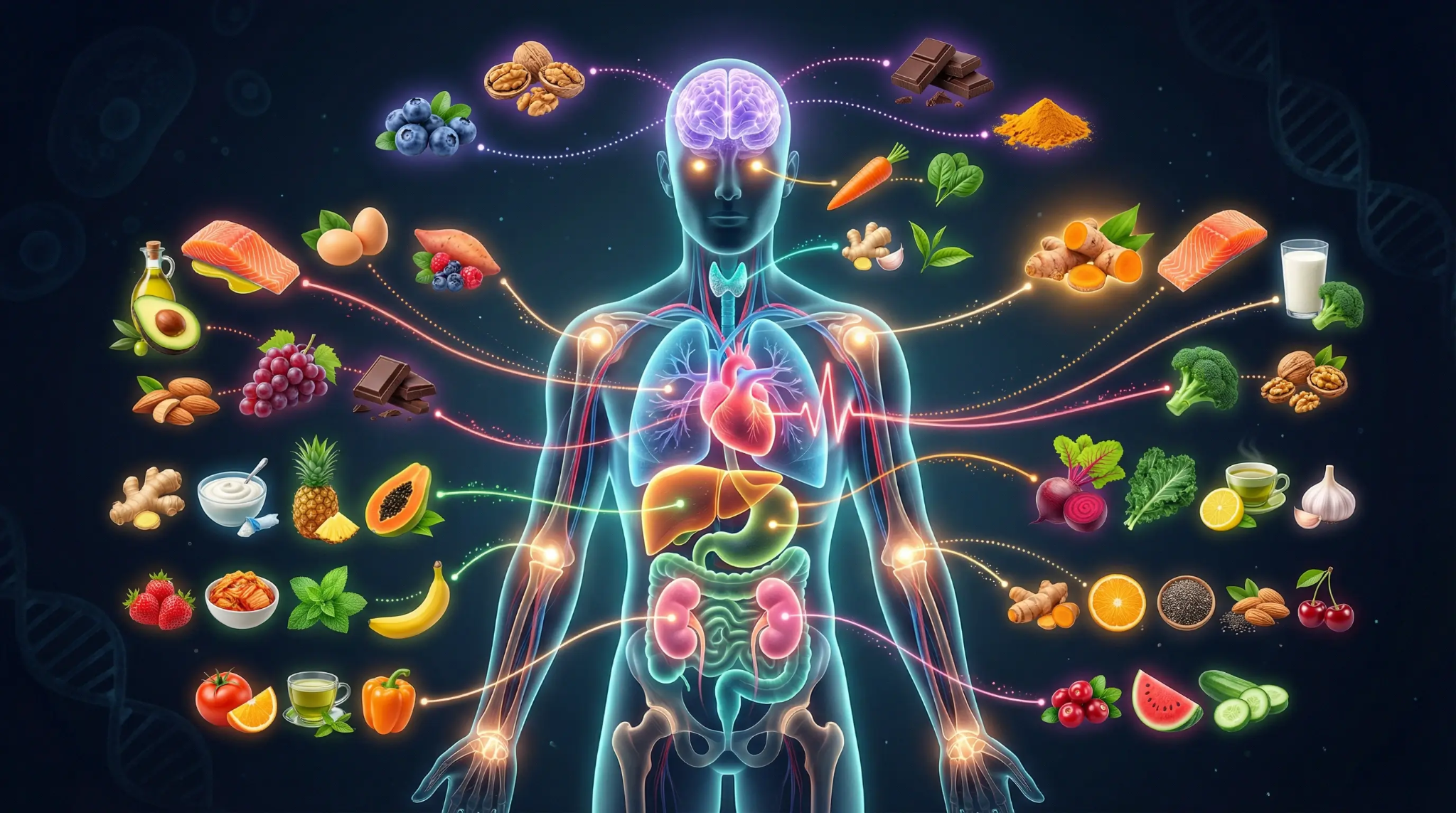
Certain foods are widely recognised for their ability to support the body’s natural balance and reduce inflammation. Adding these foods to daily meals can help create a healthier dietary pattern.
1. Leafy Green Vegetables
Spinach, kale, and broccoli are all vegetables that are rich in nutrients and antioxidants. These veggies help the immune system and keep cells safe from damage induced by stress in the environment. They also provide a lot of fibre, which is good for your digestive health.
2. Berries
Berries are known for their high antioxidant content. Blueberries, strawberries, and raspberries contain plant compounds that help protect cells and support overall health. Including berries in smoothies, yoghurt, or breakfast meals can be an easy way to add more anti inflammatory foods to the diet.
3. Fatty Fish
Salmon, tuna, and sardines are all fish that are high in omega-3 fatty acids. These good fats are very crucial for keeping your heart healthy and your inflammation levels in check. Eating fish daily can help you get the nutrients that are typically absent from modern diets.
4. Nuts and Seeds
Almonds and walnuts, as well as flaxseeds and chia seeds, are examples of nuts and seeds that are good for you because they include beneficial fats and antioxidants. They are also a fantastic source of protein and fibre, which makes them a healthy complement to snacks and meals.
5. Olive Oil
People say that extra virgin olive oil is one of the healthiest oils to cook with. It has good chemicals that help lower inflammation and keep the heart healthy. Because it is good for you, olive oil is a main source of fat in many Mediterranean-style diets.
6. Turmeric and Ginger
For hundreds of years, people have employed these spices in their cookery. Turmeric has a natural chemical in it that may help the body deal with inflammation. Ginger is also recognised for its calming effects and may be easily added to soups, drinks, or everyday meals.
If inflammation leads to muscle or joint discomfort, you can explore trusted treatment options available in the pain medicine category.
Difference Between Inflammatory and Anti-Inflammatory Foods
| Aspect | Inflammatory Foods | Anti-Inflammatory Foods |
| Definition | Foods that can cause or make inflammation worse in the body when consumed frequently. | Foods that help reduce inflammation and support the body’s natural balance. |
| Nutritional Value | Often low in nutrients and high in refined sugars, unhealthy fats, and additives. | Rich in vitamins, antioxidants, fibre, and healthy fats. |
| Common Examples | Sugary drinks, fried foods, refined carbohydrates, processed meats, packaged snacks. | Leafy greens, berries, fatty fish, nuts, seeds, olive oil, turmeric, and ginger. |
| Health Impact | Excess intake may contribute to long-term inflammation and lifestyle-related health concerns. | Supports heart health, digestion, immune function, and overall wellness. |
| Recommended Intake | Best consumed occasionally and in limited amounts. | Recommended as a regular part of a balanced daily diet. |
Common Foods That May Increase Inflammation
1. Sugary Foods and Beverages
Too much sugar can cause further inflammation. Many sweetened drinks, sweets, desserts, and soft drinks include a lot of added sugar, which might be bad for your metabolism.
2. Refined Carbohydrates
Foods made from refined grains, such as white bread and pastries, are quickly broken down into sugar in the body. This rapid spike in blood sugar may contribute to inflammation.
3. Fried and Fast Foods
Fried foods and a lot of fast food have unhealthy fats and processed substances in them. These foods often don’t have much nutritional benefit and may even make inflammation worse.
4. Processed Meats
Sausages, bacon, and deli meats are examples of processed meats that may have preservatives and chemicals. Eating these meals often has been connected to health problems caused by inflammation.
Benefits of Following an Anti-Inflammatory Diet
Adopting a diet that focuses on anti inflammatory foods can provide several long-term benefits. Eating a lot of nutrients boosts the immune system, keeps energy levels up, and makes you healthier overall.
One of the best things about this kind of diet is that it focuses on entire foods. The body requires fresh fruits and vegetables, healthy fats, and lean proteins to work correctly.
Over time, this approach to eating may help support heart health, maintain healthy digestion, and promote balanced blood sugar levels. It can also encourage healthier lifestyle habits, such as home cooking and mindful food choices.
Simple Ways to Add Anti-Inflammatory Foods to Your Daily Meals
You don’t have to make big changes to your diet to make it more balanced. Over time, even small changes can have a large effect.
Start by adding more vegetables to your meals. Adding leafy greens or roasted veggies to your lunch or dinner will help you receive more nutrients. Another easy strategy to eat well is to replace sugary snacks with fruits or almonds.
Using olive oil instead of synthetic cooking oils is another way to add extra healthy fats to your meals. Adding spices like ginger and turmeric to soups, curries, and teas can make them taste better and help the body stay in balance.
Another good way to eat more anti-inflammatory foods is to choose whole grains like oats, brown rice, and quinoa over processed grains.
Lifestyle Habits That Support an Anti-Inflammatory Diet
Diet is a big part of controlling inflammation, but other habits in your life also help you stay healthy. To keep your body healthy, you need to exercise regularly, get enough sleep, and learn how to deal with stress.
Drinking enough water, not drinking too much alcohol, and not smoking will help you live a more balanced life. When these practices are combined with a diet that includes both inflammatory and anti-inflammatory foods, the body is better able to stay healthy over time.
Looking for trusted medicines and health solutions? Explore the complete collection available in the shop at Cheap Meds Australia.
FAQs About Anti-Inflammatory Foods
1. What are anti inflammatory foods?
Natural foods that assist lower inflammation in the body are called anti-inflammatory foods. Fruits, vegetables, whole grains, nuts, fatty fish, and healthy oils are all foods that are good for you. They provide antioxidants and minerals that help keep inflammatory levels in check and support general wellness.
2. What is the difference between inflammatory and anti-inflammatory foods?
The main difference between inflammatory and anti-inflammatory foods is how they affect the body. Anti-inflammatory foods help reduce inflammation and support health, while inflammatory foods such as sugary snacks, processed foods, and fried items may increase inflammation when consumed frequently.
3. Which foods are considered the best anti inflammatory foods?
Some of the best anti inflammatory foods include leafy green vegetables, berries, fatty fish like salmon, nuts, seeds, olive oil, turmeric, and ginger. These foods contain nutrients that help support the body’s natural defence system.
4. Can diet really help reduce inflammation in the body?
Yes, diet plays an important role in managing inflammation. Eating more anti inflammatory foods and limiting processed or sugary foods may help maintain healthy inflammation levels and support overall wellness.
5. How can I add more anti inflammatory foods to my daily diet?
You can start by adding fresh fruits, vegetables, whole grains, and healthy fats to your meals. Replacing processed snacks with nuts or berries and cooking with olive oil instead of refined oils are simple ways to include more anti inflammatory foods in your diet.
Also Read: Paracetamol: A Comprehensive Guide to Pain Relief and Fever Reduction
Final Thoughts
Food choices have a powerful impact on the body. Understanding the difference between inflammatory and anti-inflammatory foods can help people make informed decisions about their diet.
By including more anti inflammatory foods such as fruits, vegetables, healthy fats, and whole grains, individuals can support their body’s natural balance and overall well-being. Reducing processed foods and excess sugar also plays an important role in maintaining healthy inflammation levels.
Adopting these simple dietary habits does not require strict rules or complicated meal plans. Small changes made consistently can lead to meaningful improvements in long-term health and wellness.