- Your cart is empty
- Continue Shopping

PCOS Diet Plan: Foods, Lifestyle Tips & Supplements Guide

Polycystic Ovary Syndrome (PCOS) is a common hormonal disorder that affects women who can have children. It is typically linked to problems with weight, acne, hair growth, and metabolism, as well as irregular periods. Hormonal imbalance, especially with insulin and androgen levels, is one of the main causes of PCOS.
Medical help is crucial, but everyday eating and lifestyle decisions have a big impact on how well symptoms are controlled. An organised PCOS diet plan can help your hormones stay in balance, make you more sensitive to insulin, and lower the risk of long-term problems.
The article goes into great detail about how a healthy diet for polycystic ovarian disease works, what foods can help with recovery, what foods to stay away from, and how PCOS diet supplements can help you get better health outcomes.
Struggling with irregular or heavy periods along with PCOS? Explore our menstrual health support options for better cycle management.
Understanding PCOS and Why Diet Matters
PCOS is not only a problem with reproduction; it is also directly tied to metabolic health. Insulin resistance is common in women with PCOS. This indicates that their bodies have trouble using insulin properly. This raises insulin levels, which might cause weight gain and worsen the hormonal imbalance.
A well-planned diet helps in:
- Making the insulin response better
- Lessening inflammation in the body
- Helping with weight loss
- Naturally balancing hormone levels
- Making energy and mood more stable
A PCOS-friendly strategy, on the other hand, focuses on eating patterns that can be maintained over time.
Key Benefits and Challenges of PCOS Diet
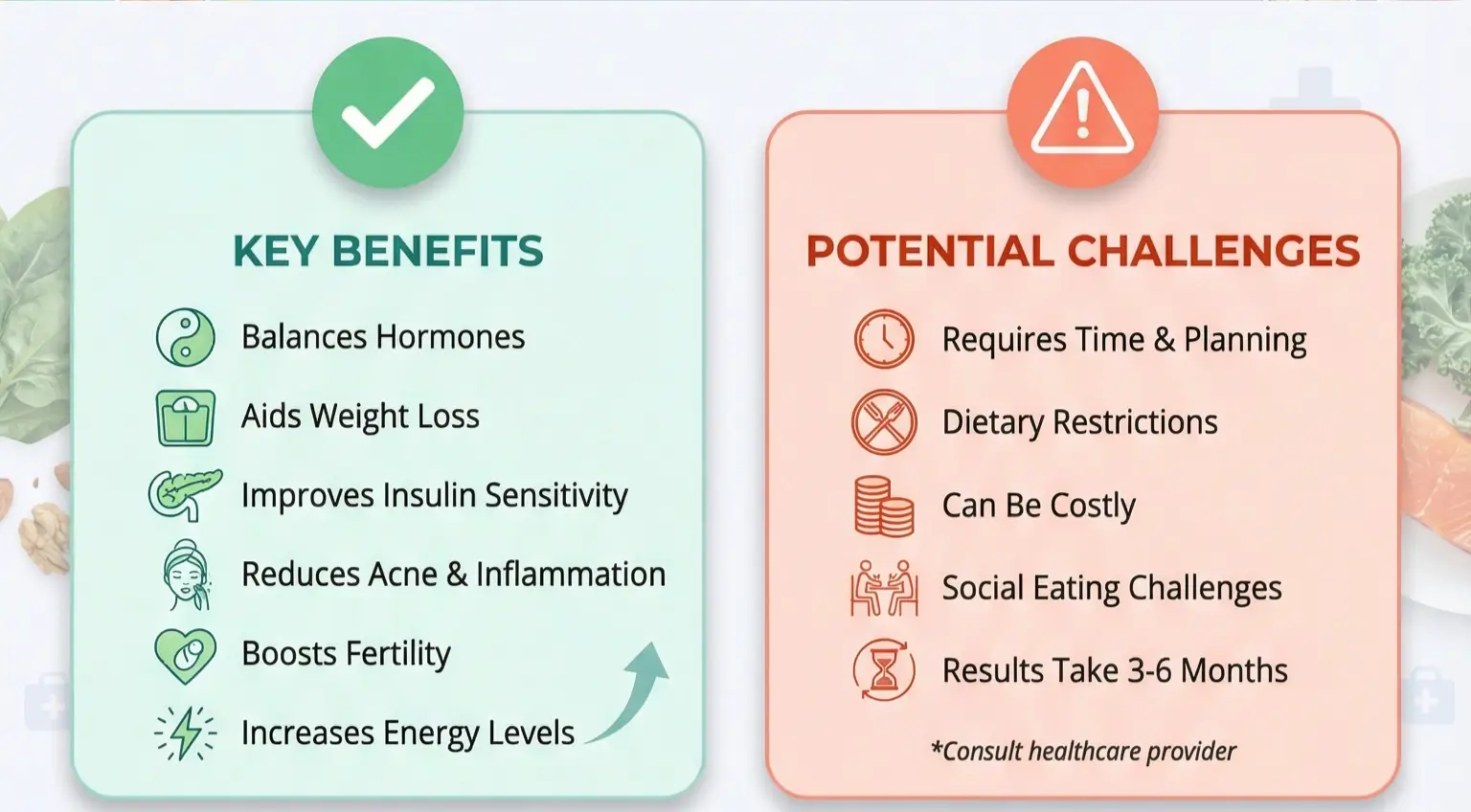
A planned PCOS diet has several benefits. It helps balance hormones, make insulin work better, lower acne and inflammation, and raise energy and reproductive levels.
Some problems need to be solved. It takes planning meals, staying away from some foods, and being consistent. You might also need to change your social eating and living habits. But the long-term health benefits make it worth it.
Core Principles of a PCOS Diet Plan
A successful PCOS diet plan doesn’t involve starving yourself or making very severe rules. Instead, it focuses on keeping everything in balance, getting enough nutrients, and keeping blood sugar levels stable.
The main principles include:
1. Stable Blood Sugar Levels
Foods are chosen to prevent sudden spikes in blood glucose. This helps with insulin resistance, which is a key part of managing PCOS.
2. Anti-Inflammatory Nutrition
Chronic inflammation can make a hormonal imbalance worse. Eating foods high in omega-3 fatty acids and antioxidants can help lower inflammation.
3. Hormone-Supportive Foods
Healthy fats, protein, and fibre are among the nutrients that help regulate hormones directly.
4. Sustainable Eating Pattern
Being consistent is more important than following a tight diet. The idea is to make long-term changes to your lifestyle.
Explore our diabetes care range to support insulin balance and improve PCOS management.
How to Follow a PCOS Diet Plan Step by Step
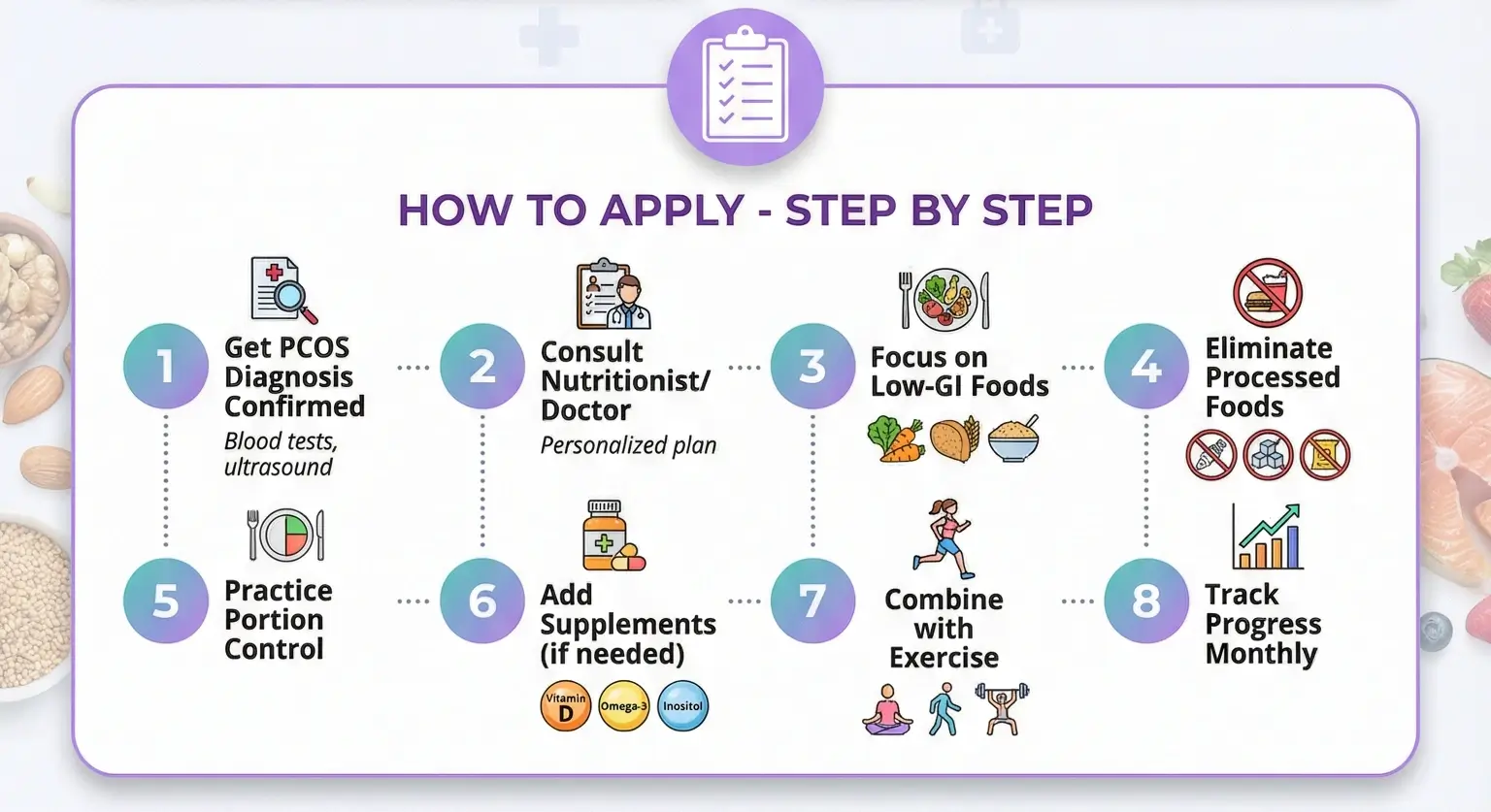
A planned plan makes it easier to stick to. First, make sure of the diagnosis, and then make a plan that works for you. Eat more foods with a low glycemic index (GI), cut back on processed foods, and keep track of your progress often.
Over time, combining diet with exercise and adding supplements when needed can make a big difference in results.
Best Foods for PCOS Diet Plan
A healthy diet for PCOS includes complete, natural foods that are good for your metabolism.
Vegetables and Fiber-Rich Foods
Vegetables are important for keeping hormones in balance and for digestion. They make it harder for sugar to get into the body and make the gut healthier.
Include regularly:
- Spinach and leafy greens
- Cauliflower and broccoli
- Zucchini and carrots
- Bell peppers and cabbage
Fibre aids with digestion and helps you control your insulin levels better.
Lean Protein Sources
Protein keeps your blood sugar stable and makes you feel full for longer. It also helps the metabolism and muscle health.
Good options include:
- Eggs
- Turkey and chicken
- Fish such as salmon and tuna
- Chickpeas and lentils
- Low-fat paneer or tofu
Including protein in every meal can significantly reduce cravings.
Healthy Fats
Healthy fats are very important for making hormones and keeping inflammation under control.
Best sources include:
- Avocados
- Walnuts and almonds
- Chia and flax seeds
- Olive oil
These fats are good for your reproductive health and provide you with more energy.
Low Glycemic Carbohydrates
Low-GI carbohydrates release sugar slowly into the bloodstream, preventing insulin spikes.
Examples include:
- Brown rice
- Quinoa
- Oats
- Sweet potatoes
These foods provide you with continuous energy all day long.
Anti-Inflammatory Foods
Inflammation is typically associated with PCOS symptoms getting worse.
Helpful additions:
- Turmeric
- Ginger
- Green tea
- Berries
These meals help keep hormones in balance and improve health in general.
Adding anti-inflammatory foods to your diet can help reduce PCOS-related inflammation—read our complete guide for a better understanding.
Foods to Limit in PCOS Diet
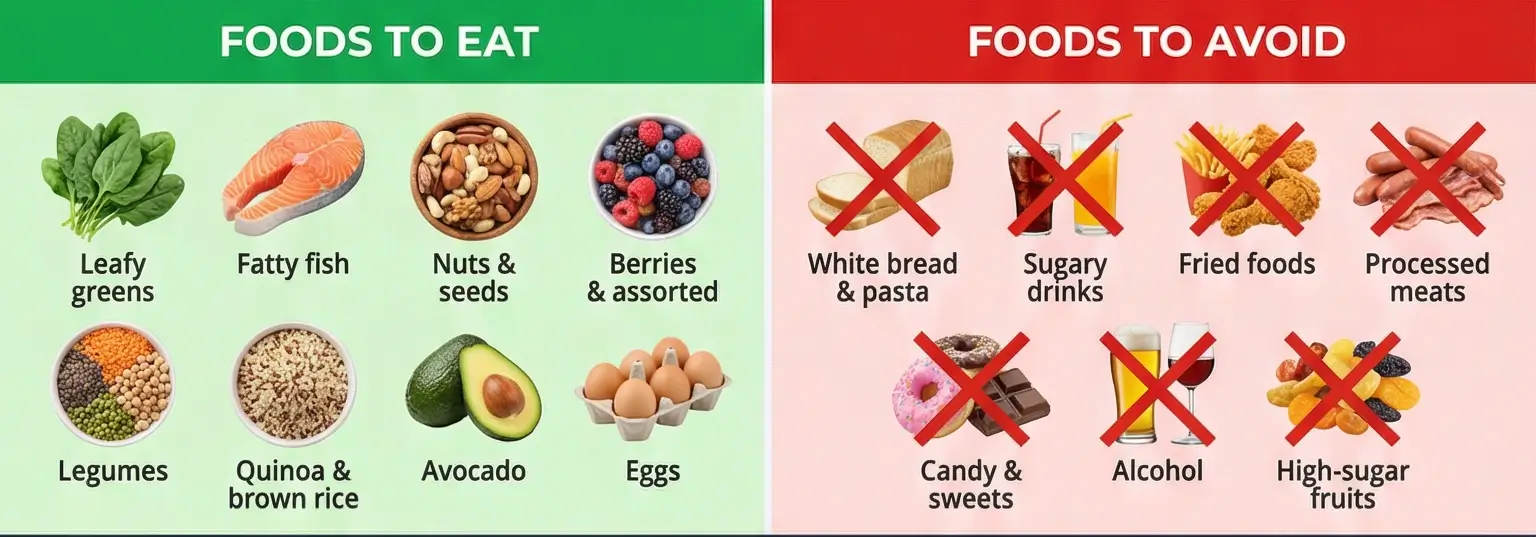
Some foods can make insulin resistance and hormonal imbalance worse. Cutting down on them can make a big difference.
Foods to reduce:
- Sugary drinks and sweets
- Products made with white bread and refined flour
- Foods that are deep-fried and processed
- Packaged snacks with additives
Some women may also be sensitive to too much dairy, which can make acne or bloating worse.
A flexible approach works best instead of strict elimination unless medically advised.
Diet for Polycystic Ovarian Disease: Daily Eating Routine
A disciplined schedule helps keep your energy levels steady and gives you more control over your hormones.
Morning Routine
Begin with herbal tea or warm water. Breakfast should include protein and fiber such as eggs with vegetables or oats with seeds.
Mid-Morning Snack
A small snack, like some fruit or almonds, will help you stay energised.
Lunch
A plate with a good mix of foods is important:
- Protein source (chicken, fish, lentils, Greek yogurt)
- Complex carbs (brown rice, quinoa)
- Vegetables (salad or cooked greens)
Evening Snack
You can choose from green tea, roasted chickpeas, or nuts.
Dinner
Make sure dinner is light and easy to digest. Soups, grilled protein, or sautéed vegetables are ideal.
Eating at the same time every day helps insulin work better.
PCOS Diet Supplements: Nutritional Support
Supplements can help keep hormones in balance, along with food. These should not take the place of a healthy lifestyle; they should add to it.
Commonly used supplements include:
1. Inositol
Helps make insulin work better and may help with regular periods.
2. Vitamin D
People with PCOS often have low levels of vitamin D, which can impair their mood and hormone balance.
3. Omega-3 Fatty Acids
Helps lower inflammation and keeps the heart and metabolism healthy.
4. Magnesium
Supports sleep quality, stress reduction, and metabolic function.
5. Zinc
Helps to keep skin healthy, boosts the immune system, and regulates hormones.
These nutrients are commonly part of PCOS diet supplements routines for overall support.
Want to manage PCOS symptoms more effectively? Check out our women’s care options.
Lifestyle Changes That Support PCOS Diet
Just eating right isn’t enough. Lifestyle choices are just as essential as medications for controlling PCOS symptoms.
Regular Physical Activity
Exercise makes the body more sensitive to insulin and helps people keep their weight under control. Walking, yoga, and strength training are all great things to do.
Stress Control
Stress can make a hormonal imbalance worse. Meditation, breathing exercises, and yoga are all ways to relax that can assist.
Sleep Quality
Not getting enough sleep might mess with your appetite hormones and insulin levels. A regular sleep routine is vital for getting better.
These habits work together to make a PCOS-friendly diet even better.
Long-Term Approach to PCOS Management
PCOS is a long-term problem; you need to stick with your treatment instead of looking for fast remedies. A long-term PCOS diet plan can help you feel better, have more energy, and improve your overall health over time.
Instead of thinking about what you can’t do, you should be working on making a balanced lifestyle that you can maintain for years.
Small daily improvements in food choices, combined with movement and stress management, can create meaningful long-term results.
For women dealing with PCOS and related hormonal issues, CheapMedsAustralia offers supportive treatment options that can help improve hormonal balance and overall health.
FAQs – PCOS Diet Plan
1. What is the best diet for PCOS?
The best way to deal with PCOS symptoms is to eat a balanced diet that is high in protein, fibre, healthy fats, and low-GI carbs.
2. Can PCOS be controlled with diet alone?
Diet is quite helpful, but the best effects come when it is accompanied with modifications to your lifestyle and, if necessary, medical advice.
3. Which foods should be avoided in PCOS?
To control insulin resistance, you should eat less sugar, refined carbs, and processed foods.
4. Are supplements necessary for PCOS?
Supplements are optional but can support hormonal health when diet alone is not sufficient.
5. How quickly does a PCOS diet show results?
Some changes may happen in a few weeks, but it usually takes longer to get your hormones back in balance if you keep up the same habits.
6. Is weight loss possible with PCOS diet?
Yes, gradual and sustainable weight loss is possible with the right diet and lifestyle changes.
Final Thoughts
A structured PCOS diet plan is one of the most effective ways to support hormonal balance naturally. By focusing on whole foods, reducing processed items, and maintaining a healthy lifestyle, women can manage symptoms more effectively.
When combined with PCOS diet supplements, proper sleep, and regular activity, the overall quality of life can improve significantly over time.
Consistency is the key factor. Small, daily changes create long-lasting health benefits.